Cryptocurrencies Enter a New Era: Between Institutional Adoption and Regulatory Challenges
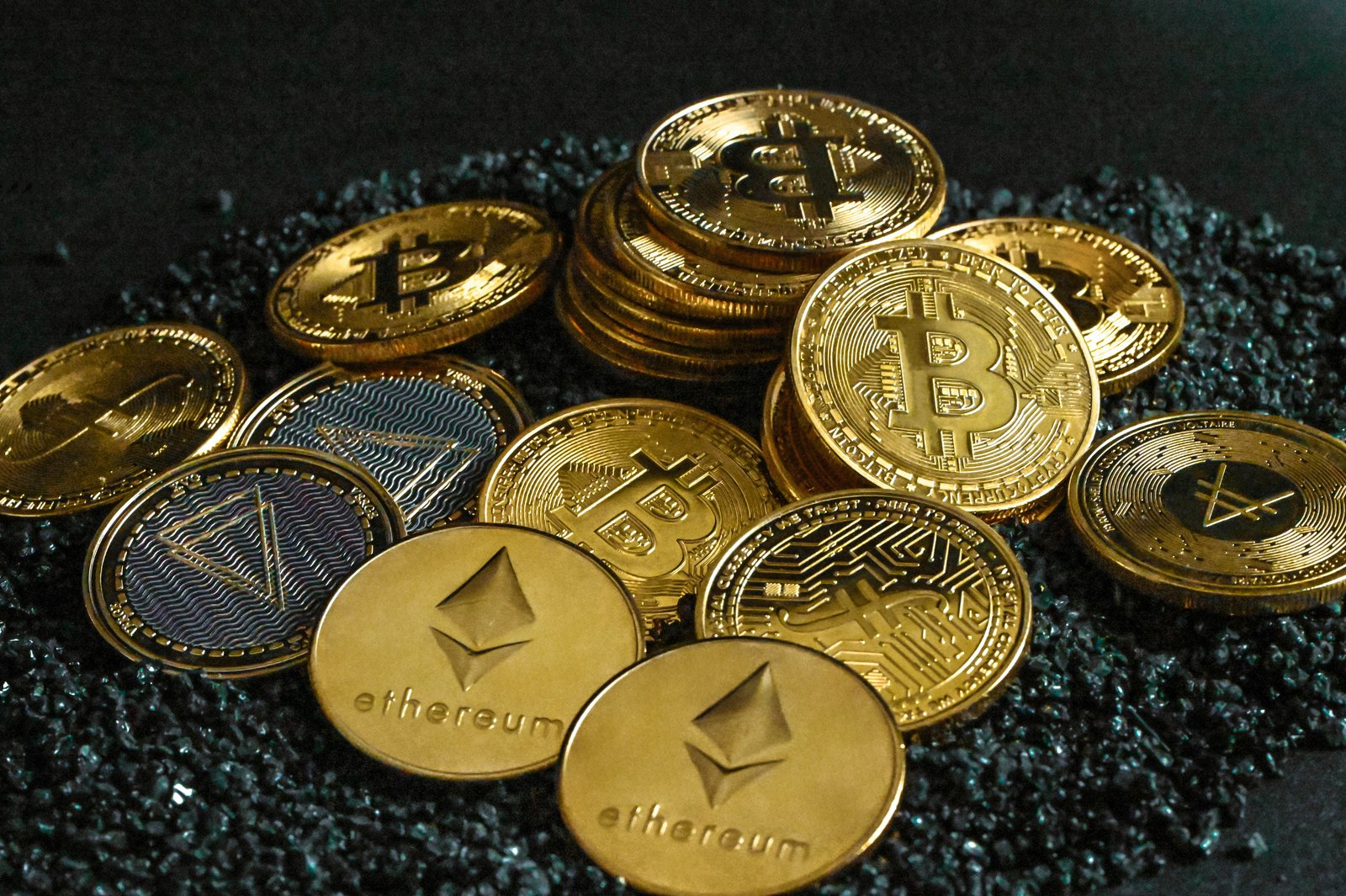
The cryptocurrency market is undergoing a profound transformation after years of volatility that pushed digital assets from a niche speculative phenomenon into a subject of global financial and political significance. What was once viewed primarily as a playground for risk-seeking investors is increasingly becoming part of broader discussions about the future of finance, monetary sovereignty, and technological innovation.
From Speculation to Financial Integration
Over the past decade, cryptocurrencies experienced dramatic cycles of expansion and contraction. These swings attracted millions of investors while simultaneously exposing weaknesses related to market structure, liquidity, and investor protection. Despite these challenges, the sector has demonstrated remarkable resilience.
Today, the central question is no longer whether cryptocurrencies will survive, but rather what role they will play within the global financial architecture. Major digital assets such as Bitcoin have increasingly been perceived by some investors as long-term stores of value, while other segments of the market continue to face significant uncertainty and risk.
Institutional Investors Change the Landscape
One of the most significant developments in recent years has been the growing participation of traditional financial institutions. Banks, investment funds, and asset management firms that once viewed cryptocurrencies with skepticism are now exploring ways to integrate digital assets into regulated financial products.
This shift reflects a broader change in attitude across major financial centers. Institutions are seeking exposure to digital assets while maintaining compliance with regulatory standards and risk management requirements. The emergence of regulated investment vehicles and custody solutions has further contributed to the market's growing legitimacy.
According to information published by financial regulators and industry organizations, institutional demand continues to shape the evolution of cryptocurrency markets, encouraging greater transparency and stronger governance frameworks.
The Growing Weight of Regulation
As institutional participation increases, so does regulatory scrutiny. Policymakers in the United States, Europe, and other major economies are attempting to establish legal frameworks capable of balancing innovation with financial stability.
The challenge lies in creating rules that protect consumers and combat illicit activities without suppressing technological development. Regulators remain focused on issues such as anti-money laundering compliance, market manipulation, cybersecurity risks, and investor protection.
Official initiatives by institutions such as the European Central Bank and the U.S. Securities and Exchange Commission demonstrate the growing importance of digital assets within policy discussions. However, regulatory approaches continue to vary considerably across jurisdictions, creating uncertainty for global market participants.
Decentralization Faces a New Reality
Cryptocurrencies were originally built on the principle of decentralization, aiming to reduce dependence on governments and traditional financial intermediaries. This philosophy remains a defining feature of the sector and continues to attract supporters worldwide.
Yet the increasing involvement of regulated institutions introduces a new dynamic. Market participants now find themselves navigating a complex balance between preserving the decentralized nature of blockchain networks and complying with regulatory requirements demanded by governments and financial authorities.
The result is an evolving ecosystem where ideological principles and practical considerations increasingly intersect.
Blockchain Beyond Digital Currencies
Attention is gradually shifting from cryptocurrency prices alone toward the broader applications of blockchain technology. Industry experts argue that the long-term value of the sector may ultimately reside in the infrastructure supporting digital assets rather than in speculative trading activity.
Blockchain technology is already being explored for smart contracts, cross-border payments, digital identity systems, supply chain management, and tokenized financial products. These applications could reshape multiple industries by reducing costs, improving transparency, and increasing operational efficiency.
Organizations including the World Economic Forum have highlighted the transformative potential of distributed ledger technologies across both public and private sectors.
Persistent Risks Remain
Despite increasing maturity, cryptocurrencies continue to present substantial risks. Price volatility remains significantly higher than in most traditional asset classes, while market sentiment can change rapidly in response to regulatory announcements, macroeconomic developments, or technological incidents.
Furthermore, correlations between cryptocurrency markets and traditional financial assets have become more complex, particularly during periods of economic uncertainty. This evolving relationship challenges the notion that digital assets operate entirely independently from the broader financial system.
Legal uncertainty also remains a concern in many countries where regulatory frameworks are still under development. As a result, investors continue to face varying levels of risk depending on the jurisdictions in which they operate.
A Gradual Evolution Rather Than a Revolution
The evidence increasingly suggests that cryptocurrencies are neither heading toward extinction nor replacing traditional financial systems entirely. Instead, they appear to be evolving into a complementary segment of the global economy, occupying a middle ground between conventional finance and emerging digital ecosystems.
This transition is unlikely to be linear. Regulatory experimentation, technological breakthroughs, market corrections, and changing investor behavior will continue to shape the industry's trajectory. Nevertheless, the broader trend points toward a more mature and integrated market structure.
As governments, financial institutions, technology companies, and investors continue to define the rules of engagement, cryptocurrencies are entering a phase where their future will be determined less by speculation and more by their ability to deliver practical value within the digital economy.
Was this article helpful?
0 helpful · 0 not helpful
Lbanka Team
Content creatorRelated post:
- T2S Holding Launches First Moroccan IPO of 2026 with More Than MAD 1 Billion Offering
- RISMA: Distribution of 5 Shares During Capital Increase
- Strong demand for RISMA capital increase with around 70,000 subscribers
- Casablanca Stock Exchange closes higher, driven by the MASI index
- Risma launches a MAD 450 million capital increase: full details of the operation